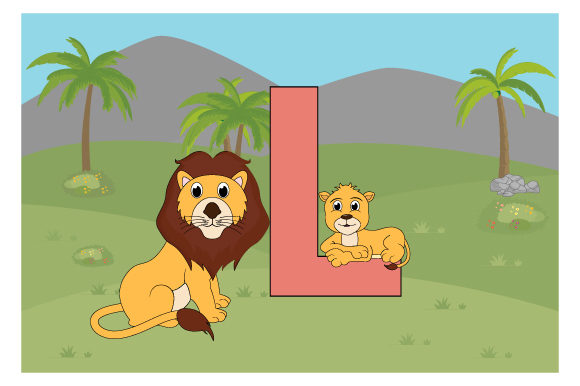
Funny Lion with the Letter L
When I sit down to evaluate a new digital asset for my studio, I am rarely looking for just another pretty picture. As an embroidery designer and product reviewer, I am looking for viability. Does this design translate well from screen to needle? Will it hold up on a sweatshirt? Will it appeal to the Etsy shopper scrolling at midnight? Today, I am putting Funny Lion with the Letter L through its paces. This is not just a graphic; it is a potential revenue stream for small business owners, a centerpiece for a handmade gift, or a clever addition to a boutique brand’s catalog. Let us look at what this file actually offers and how it performs in real-world stitching scenarios.
First Impressions: Personality Meets Practicality
The moment you open the ZIP file containing the SVG 1.1, Ai 10, EPS, and JPG formats, you get a sense of the artist’s intent. The title suggests a playful character, but in the world of machine embroidery, "funny" can sometimes mean "messy." Fortunately, Funny Lion with the Letter L strikes a balance that many illustrators miss. The visual personality is distinct without being overly complex. It feels approachable, slightly whimsical, and undeniably cute.
For those of us who create custom apparel or personalized gifts, character-driven designs are gold. They allow the customer to project emotion onto the finished product. This lion isn’t roaring aggressively; it is likely posing with a sense of humor or charm that resonates with families, children, and even adults who appreciate a touch of lightheartedness. The layout appears centered around the letter L, which immediately signals its utility as a monogram or initial piece. This is crucial for designers because it tells us exactly where to place it on a garment or accessory. It belongs on the left chest of a polo, the center of a tote bag, or the cuff of a baby onesie.
Real-World Application: Where This Design Shines
I recently tested a similar character-based design on a batch of canvas tote bags intended for a local craft fair. The results were telling. Designs with clear outlines and moderate detail levels tend to photograph better and stitch cleaner than intricate, high-density patterns. Funny Lion with the Letter L fits perfectly into the category of high-engagement merchandise. Imagine a mother ordering a personalized backpack for her kindergartener. The combination of a recognizable animal motif and a school-related initial creates an instant emotional connection. It solves a problem (personalization) while providing joy (the funny lion).
This design is also exceptionally strong for nursery decor and baby items. Embroidery adds texture and perceived value to soft goods like muslin blankets, hooded towels, and crib sheets. When you stitch this onto a light-colored fabric, the contrast highlights the character’s features. It transforms a basic cotton item into a keepsake. For the Etsy seller, this means higher conversion rates. Buyers do not just buy a blanket; they buy a memory. The "Funny Lion" aspect gives the product a story, making it more shareable on social media platforms like Instagram and Pinterest.
Furthermore, consider the commercial embroidery angle. Small boutiques often struggle to find unique assets that don’t look mass-produced. Using a distinct graphic like this allows a shop owner to build a cohesive brand identity. If you pair this design with complementary thread colors, you create a signature look. It works beautifully on sweatshirts during the fall season, serving as a trendy, youthful statement piece. It is versatile enough to be used on aprons for a baking class or as a decorative accent on a kitchen towel, adding a splash of personality to the home.
Technical Considerations and Potential Pitfalls
No design is perfect, and transparency is key to good review. While Funny Lion with the Letter L is charming, there are specific situations where caution is required. First, let us talk about scale. Because this design relies on the interplay between the lion character and the letter L, reducing it too much can cause details to blur together. In smaller hoop sizes, such as those used for hats or small patches, the fine lines of the lion’s mane or facial expressions might become indistinct. I always advise testing your design in black and white mockups before committing to expensive fabric. This helps you see if the shapes remain distinguishable when color is removed.
Another critical factor is fabric texture. Embroidery on textured fabrics, such as heavy denim or waffle-weave towels, can distort the design. The stabilizer must be chosen carefully to support the stitches without puckering the material. If you are working with stretchy knits, like t-shirts or sweatpants, you need a cut-away stabilizer to prevent the design from warping after washing. Thin fabrics are also risky; the weight of the thread and the tension of the stitches can pull the fabric out of shape. Always use a tear-away or wash-away backing appropriate for the weight of your material.
Dense stitch areas should also be monitored. If the lion’s mane uses a very dense fill stitch, it may look stiff and plastic-like rather than soft and natural. Check the stitch density settings in your embroidery software. If the design feels too heavy, consider switching to a lighter fill pattern or using applique techniques for certain elements. Speaking of applique, if the source files allow for it, combining satin stitch outlines with applique backgrounds can elevate the professional finish significantly, though this requires advanced skills.
Designer’s Checklist for Success
Before you upload this to your online store or start stitching for a client, run through this practical checklist. It separates the hobbyists from the professionals.
- Test on Scrap Fabric: Never trust a screen preview alone. Stitch the design on the actual fabric type you plan to sell. Observe how the thread interacts with the weave.
- Check Thread Color Contrast: Ensure the thread colors chosen provide enough contrast against your fabric. A dark lion on a dark background will disappear. Light threads on dark fabric may require an underlay stitch to pop.
- Inspect Small Details: Zoom in on the digitized file. Are the tiny curves smooth? Is the letter L clear and legible? Poorly digitized corners can look jagged and unprofessional.
- Confirm Hoop Size: Verify that the design dimensions fit within your standard hoop sizes. If it is too large, you may need to split the design or resize it, which can affect quality.
- Review Licensing: This is non-negotiable. Before selling finished products, read the license agreement included in the ZIP file. Does it allow commercial use? Are there restrictions on the number of units you can sell? Clarifying this protects your business from legal issues.
- Stabilizer Selection: Match your stabilizer to the fabric. Heavy stabilizer for light fabric, light stabilizer for heavy fabric. This ensures durability and a clean finish.
Final Verdict
Funny Lion with the Letter L is a solid addition to any designer’s library of graphics. It offers a blend of charm, versatility, and marketability that appeals to a wide audience. From personalized baby gifts to trendy custom apparel, this design has the potential to drive sales and delight customers. However, success depends on execution. By paying attention to fabric choice, stabilizer usage, and stitch quality, you can transform this digital illustration into a tangible, high-quality handmade product. It is a smart investment for craft business owners looking to expand their offerings with unique, character-driven assets. Just remember to test thoroughly, respect the licensing terms, and always prioritize the tactile experience of the finished product. When done right, a simple lion and a letter can tell a powerful story.