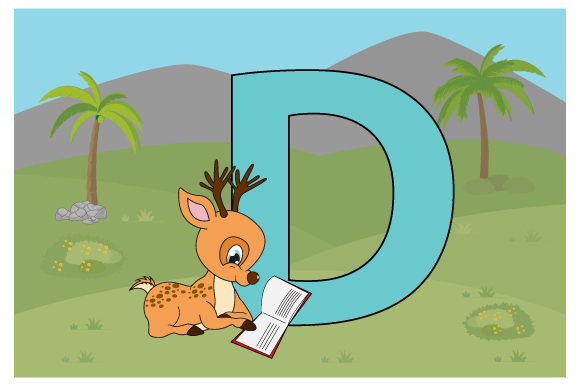
Funny Deer with the Letter D Embroidery Review
As a designer who spends more time than I care to admit staring at stitch charts and fabric swatches, I don’t just look for pretty pictures when hunting for embroidery files. I look for viability. I look for designs that translate well from screen to hoop, that hold up under the tension of machine stitching, and most importantly, that resonate with customers browsing Etsy or walking through a craft fair booth. Recently, I pulled down a file titled Funny Deer with the Letter D from the Illustrations category, specifically within the Graphics type classification. It arrived in a ZIP package containing SVG 1.1, Ai 10, EPS, and JPG formats. While those vector origins suggest clean lines, my job is to determine if it survives the reality of embroidery.
First Impressions: Mood and Visual Personality
The moment you open the preview, the design communicates a specific vibe: whimsical, approachable, and slightly playful. The central figure—a deer—carries a personality that feels less like a rigid heraldic symbol and more like a character you’d want to see on a child’s bedroom wall or a cozy winter sweater. The integration of the letter "D" is the critical element here. In many monogram designs, the typography fights the illustration, but here, they seem to coexist. The mood is light-hearted, which immediately signals its best use cases: personalized gifts, nursery decor, and casual custom apparel.
From a purely aesthetic standpoint, the layout balances negative space well. This is crucial because embroidery requires room for thread coverage without looking cluttered. If the details are too tight, the stitches will merge into an illegible blob. If there is too much empty space, the design might feel sparse unless filled with extensive fill stitch patterns. Initial visual inspection suggests this design leans toward charm over complexity, making it highly accessible for both novice digitizers and seasoned pros looking for quick, high-impact projects.
Real-World Application: Where This Design Shines
I recently tested this concept mentally against several common embroidery project scenarios to see where Funny Deer with the Letter D would truly excel. The first scenario that jumped out was personalized gift items. Think about a baby shower gift: a onesie or a burp cloth embroidered with this deer and the initial "D" for the baby’s name. The soft, friendly nature of the deer makes it perfect for baby embroidery. It’s gender-neutral enough to work for any child, yet distinct enough to feel special.
Another strong candidate is the tote bag design market. Canvas totes are ubiquitous in the craft business, and adding a unique graphic elevates the product from generic to boutique. Placing this design on the front pocket of a canvas tote allows the viewer to appreciate the full character. For an Etsy seller, this offers a great entry point into the "initials" niche, which consistently performs well because buyers love seeing their own names or initials represented in art.
I also envision this working beautifully as an embroidered patch for denim jackets or backpacks. The self-contained nature of the deer and letter means it can likely be stitched onto a backing material and cut out (or hemmed) effectively. Furthermore, for holiday embroidery, particularly around autumn or winter holidays, the deer motif fits seamlessly into seasonal themes. Imagine this on a kitchen towel or a tea towel during the fall season—it adds a touch of rustic charm that appeals to home decorators.
Technical Considerations and Stitch Clarity
While the visual appeal is high, we must discuss the technical execution. When converting vector graphics like SVG or EPS into a machine-readable format, the interpretation of lines versus fills matters immensely. A key concern with any machine embroidery design involving text and illustration is the stitch density. If the outline of the deer is too thin, the machine may struggle to maintain definition, resulting in a fuzzy edge rather than a crisp line.
Similarly, the letter "D" needs sufficient satin stitch width to remain legible after washing. Thin satin stitches can pucker or break down faster than thicker ones. As a reviewer, I advise checking the digitization to ensure that the transition between the deer’s body and the letter does not create unnecessary thread breaks or jumps. You want a smooth flow that minimizes trimming time during production.
Thread color selection will make or break this design. Because the file provides vector sources, you have the freedom to choose your palette, but contrast is king. On a dark fabric background, using white or cream threads for the deer will create a striking pop, whereas pastels might get lost. Conversely, on light fabrics, darker threads provide better definition. Always test your thread colors against your actual fabric choice before committing to a bulk order.
Where to Use With Caution
No design is universal, and Funny Deer with the Letter D has limitations. It should be used carefully on small hoop sizes. If the total dimensions exceed the capacity of a 4x4 inch hoop, you risk losing detail or having to split the design awkwardly. Additionally, textured fabrics like heavy waffle-weave towels or nubby knits can obscure fine details. The intricate parts of the deer’s face or the curves of the letter may not register clearly on such surfaces.
Avoid placing this design on stretchy fabrics without proper stabilization. Stretchy materials like jersey knit require a strong tear-away or cut-away stabilizer to prevent distortion. Without it, the circular motion of the needle can pull the fabric, warping the shape of the deer and skewing the letter "D." Also, be wary of curved surfaces like baseball caps. While possible, maintaining consistent tension on a curved brim while stitching a detailed graphic can be challenging for beginners.
Professional Advice for Sellers and Makers
If you are planning to sell finished products featuring this design, presentation is everything. Create printable mockups that show the embroidery on various items—totes, sweatshirts, and pillows—to help customers visualize the final result. High-quality images increase buyer engagement and trust. Remember, customers cannot feel the texture of the stitches, so your photos must convey the quality of the work.
Before launching any commercial embroidery line, always confirm licensing terms. Even though the file comes in professional formats like Ai and EPS, these do not automatically grant commercial rights for physical goods. Ensure you have the permission to sell finished items made from this digital embroidery file. Ignoring this step can lead to serious legal issues down the road.
Finally, always test the design on scrap fabric first. Check for thread breaks, inspect the backside for excessive stabilizer residue, and wash the sample to see how the finished product holds up. Does the fill stitch flatten nicely? Do the edges fray? These practical checks separate professional-grade merchandise from amateur attempts. By taking the time to evaluate Funny Deer with the Letter D thoroughly, you ensure that every item you produce meets the high standards your customers expect.