Funny Cat Pattern Graphics and Patterns Review
As someone who has spent years designing, cutting, and selling handmade goods, I know that the difference between a hobby project and a best-selling handmade business item often comes down to the quality of the base design. When I first pulled up the Funny Cat Pattern, my immediate reaction was practical: could this actually work for my upcoming seasonal collection? The answer, after testing it across several mediums, is yes—but with specific considerations.
This isn’t just a cute clipart image; it is a versatile graphic design asset that bridges the gap between playful decor and professional product branding. Whether you are preparing for a local craft fair, restocking your Etsy shop, or fulfilling custom orders for friends, understanding how this pattern behaves in real-world crafting scenarios is crucial.
First Impressions and Visual Personality
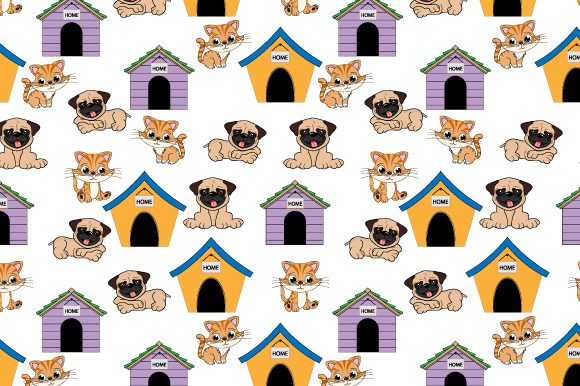
The mood of the Funny Cat Pattern is distinctly playful yet structured. It avoids being overly chaotic, which is a common pitfall in many cat-themed designs. Instead, it offers a rhythmic repetition that feels intentional. This makes it ideal for customers looking for items that feel cohesive rather than cluttered. The style leans towards modern whimsy, making it highly appealing to millennial and Gen Z buyers who enjoy "cozy" aesthetics but still want clean lines for their home decor or wardrobe.
For the small business owner, this versatility is gold. It works equally well on a matte black tumbler wrap as it does on a pastel pink planner sticker. The pattern suggests a brand personality that is approachable, fun, and slightly irreverent—perfect for pet lovers who don’t take themselves too seriously. When paired correctly, it can elevate a simple tote bag from a generic giveaway to a branded merchandise piece.
Real-World Crafting Applications
I tested the Funny Cat Pattern across a variety of projects to see where it shines and where it might struggle. Here is how it performed in actual production workflows:
- Cricut and Silhouette Projects: The vector files cut cleanly, which is the most important factor for vinyl users. The pattern repeats seamlessly when scaled, allowing you to create full wraps for tumblers or large decals without awkward seams.
- Sticker Design: For die-cut stickers, the pattern provides excellent coverage. However, if you are creating small 2-inch stickers, ensure you are not using the smallest individual elements of the pattern, as they may get lost in the border.
- Mug and Tumbler Wraps: This is arguably its strongest use case. The repetitive nature of the pattern fills the curved surface beautifully, hiding minor alignment errors that sometimes happen during application.
- Printable Wall Art: When used as a background texture for printable quotes or calendars, it adds depth without overpowering the text. It works particularly well when printed on textured paper stocks.
- Sublimation Design: The included high-resolution JPEGs hold up well under sublimation ink, providing vibrant colors that transfer smoothly onto polyester fabrics and ceramic blanks.
Technical Format Breakdown
One of the reasons this design bundle stands out is the variety of file formats provided. The ZIP file contains – SVG 1.1 format – Ai 10 format – EPS 10 format – JPEG. Each serves a distinct purpose in the production pipeline:
- SVG 1.1 Format: Essential for Cricut project and Silhouette project users. This format ensures that your machine can cut the shapes precisely. Always check the layers in your software before sending to the cutter to ensure no unnecessary nodes are slowing down the process.
- Ai 10 and EPS 10 Formats: These are vital for professional graphic designers who need to edit the vector paths in Adobe Illustrator or CorelDRAW. If you plan to add custom text or modify the layout for small business branding, these formats give you the flexibility to do so without losing quality.
- JPEG: Useful for quick previews, social media mockups, or direct printing if you are using a printer that accepts raster images. Ensure you are using the highest resolution version available for any print-on-demand services.
Where It Works Best
To maximize the value of this digital product, consider these optimal use cases:
- Seasonal Craft Bundles: Combine the pattern with holiday-specific elements (like bows or hats) to create limited-edition Christmas or Halloween collections.
- Gift Products: It is perfect for personalized gifts, such as monogrammed towels or custom gift tags. The pattern adds visual interest while leaving room for personalization.
- Product Mockups: Use the JPEG versions to create realistic mockups for your online store. Seeing the pattern applied to a real tote bag or mug helps potential buyers visualize the final product.
- Handmade Packaging: Print the pattern on tissue paper or sticky labels for packaging. Consistent branding from the product to the box enhances the perceived value of your items.
Where to Use Caution
No asset is perfect, and there are situations where the Funny Cat Pattern requires careful handling:
- Very Small Cutting Details: If you attempt to cut individual elements of the pattern at a size smaller than half an inch, you risk having delicate parts detach or fail to stick properly.
- Crowded Compositions: Avoid placing other busy graphics or heavy text directly over the pattern. Let the pattern breathe. Use it as a background or a border rather than a central focal point if you have multiple design elements.
- Low-Contrast Colors: On dark products, ensure the pattern has enough contrast to be visible. A light-colored pattern on a black mug might look washed out depending on the lighting conditions.
- Layered Vinyl Projects: If you are doing multi-layer vinyl cuts, test the registration carefully. Misalignment can make the pattern look messy rather than intentional.
Practical Crafter Notes for Success
Before you rush into production, follow these technical checks to protect your reputation as a seller:
Test Before Selling: Always run a test cut or print on scrap material. Check if the SVG lines are clean and free of stray points. Preview the PNG transparency to ensure there are no unwanted white boxes around the elements.
Resolution Matters: Confirm the resolution for sublimation. Blurry prints are the fastest way to lose customer trust. If you are resizing the vector files, do so gradually to maintain edge sharpness.
Color Accuracy: Test colors before printing. Screen colors differ from print colors. Place the design on real mockups to see how it looks on white, black, and colored products. A pattern that pops on a white background might disappear on a gray one.
Typography Pairing: The playful nature of the cat pattern pairs well with handwritten fonts for a casual vibe, or serif fonts for a more elegant, boutique feel. Avoid overly formal display fonts unless you are aiming for ironic contrast.
Licensing Verification: Finally, confirm your commercial license. Even though this is a purchased asset, always verify that you are allowed to use it for resale items. Some licenses restrict the number of physical items you can sell, while others allow unlimited use. Protect your creative marketplace presence by staying compliant.
In conclusion, the Funny Cat Pattern is a robust addition to any crafter’s library. It offers the flexibility needed for both printable design enthusiasts and those focused on physical goods. By understanding its strengths and respecting its limitations, you can create high-quality products that resonate with buyers and support the growth of your handmade business.