Funny Cat Faces Kawaii Feline Doodles Review
As a designer who has spent years translating digital artwork into tangible stitched pieces, I approach every new asset with a mix of excitement and skepticism. When I first encountered Funny Cat Faces Kawaii Feline Doodles, my initial reaction was pure delight at the emotional range captured in these hand-drawn illustrations. However, the real test for any machine embroidery design or digital clip art isn't just how it looks on a screen; it is how it survives the journey from file to fabric. This review breaks down exactly how this set of Illustrations performs when applied to real-world projects, specifically looking at its viability for small business owners, Etsy sellers, and hobbyists aiming for professional results.
The First Stitch: Visual Personality and Mood
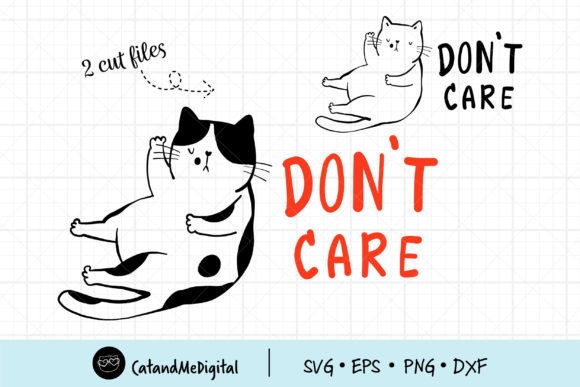
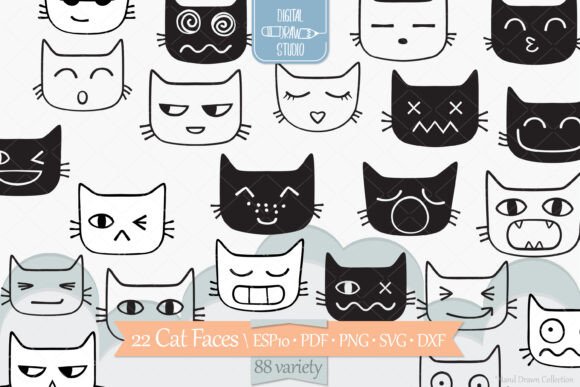
The defining characteristic of Funny Cat Faces Kawaii Feline Doodles is its distinct personality. Unlike rigid vector graphics that often feel sterile after digitizing, these designs carry a hand-drawn charm that suggests warmth and approachability. The collection features a spectrum of emotions—funny, mad, happy, and silly—which immediately signals where this embroidery project fits best. It naturally belongs in spaces requiring a touch of whimsy, such as nursery decor, baby clothes, or playful accessories.
From a visual standpoint, the lines are clean enough to be converted into high-quality stitch paths but retain enough irregularity to avoid looking like mass-produced corporate logos. For an Etsy seller or boutique owner, this distinction is crucial. Customers buying handmade goods are paying for uniqueness. These Graphics offer a "human" element that translates well into thread, provided the digitizer respects the original line weight. The mood is undeniably lighthearted, making it perfect for holiday gifts, custom aprons, or tote bags designed for creative entrepreneurs.
Real-World Application: A Custom Tote Bag Scenario
To truly understand the utility of Funny Cat Faces Kawaii Feline Doodles, let's walk through a specific use case. Imagine you are preparing a batch of custom embroidered tote bags for a local craft fair. Your goal is to create a product that appeals to cat lovers and feels personal enough to justify a higher price point. You decide to use one of the "silly" faces from the doodle set.
When I simulate this process mentally, I see the potential for a standout piece. The simple shapes of the kawaii faces allow for quick stitching times, which is vital for production efficiency. If you were to place a large, happy face on the front of a canvas tote bag, the stitch density would likely need to be moderate to prevent the fabric from puckering. The result would be a durable, textured design that catches the eye. The contrast between the dark outline stitches and the lighter fill colors (if using satin or fill stitches) would pop against a neutral background.
However, if you attempted to shrink this design down to fit a tiny patch on a denim jacket, the outcome might differ. The "hand-drawn" nature means some lines are slightly uneven. In a small hoop size, those subtle variations could get lost or become muddy, reducing the clarity of the expression. This highlights a key consideration: these design assets work best when given breathing room on the fabric.
Navigating Fabric Challenges and Technical Limits
While the artistic merit of Funny Cat Faces Kawaii Feline Doodles is clear, the technical execution depends heavily on your substrate. Embroidery is not magic; it requires the right environment to shine. Here is where practical judgment comes into play regarding different materials.
- Stretchy Fabrics: If you plan to use this for sweatshirt embroidery or caps, you must be cautious. Stretchy knits require heavy-duty stabilizers to prevent distortion. The roundness of the kawaii faces can easily warp into ovals if the tension is off or the backing isn't sufficient.
- Dark Fabrics: One of the most common pitfalls in commercial embroidery is poor thread color contrast. If you stitch a light-colored cat face onto a black t-shirt without a proper underlay or white top layer, the design will look dull. You may need to adjust the thread colors or add a dense underlay to ensure the image stands out.
- Textured Surfaces: Applying this to a towel or a thick blanket is generally safe due to the stability of the weave. However, trying to stitch detailed corners on a curved surface like a baseball cap can be risky. The curvature can stretch the running stitch lines, potentially blurring the "mad" or "happy" expressions intended by the artist.
It is also worth noting that while these are described as printable graphics, converting them for machine embroidery requires careful digitization. If you are a digital product seller offering files for others to use, you must ensure the conversion preserves the integrity of the original doodles. Dense stitch areas should be avoided in the eyes or whiskers, as they can create holes in thin fabrics or look clunky on heavier materials.
Strategic Placement for Maximum Impact
Where you place Funny Cat Faces Kawaii Feline Doodles on a finished product significantly affects customer perception. For personalized gifts, a single, centered face on a pillow cover creates a focal point that feels intentional and polished. Conversely, scattering multiple small faces across a kitchen towel adds a fun, patterned texture that works well for home decor.
In the context of brand consistency, these graphics are excellent for businesses targeting a youthful or family-oriented demographic. They signal that the brand is friendly and accessible. However, if you are creating a luxury item or a formal gift, the casual nature of the doodles might clash with the desired aesthetic. Knowing your audience is just as important as knowing your machine settings.
Professional Designer Notes for Success
Before committing to a full production run, there are several non-negotiable steps every experienced maker should take. First, always test the design on scrap fabric that matches your final material. This allows you to check the stitch density and see how the threads interact with the specific weave of your fabric. What looks great on cotton might bunch up on polyester blends.
Secondly, inspect the small details closely. Kawaii designs often rely on tiny dots for noses or eyes. Ensure that the digitized version doesn't merge these points together, which would ruin the character's expression. If you are unsure about the file specifications, check the license terms carefully. Some embroidery files restrict commercial use, meaning you cannot sell the finished items even if you paid for the design. Confirming licensing is essential for any small shop product intended for resale.
Finally, consider the washability factor. Designs with long, loose stitches may snag during frequent washing, especially on items like tote bag design components or children's clothing. Reinforce the edges with appropriate satin stitches to ensure longevity. By treating Funny Cat Faces Kawaii Feline Doodles with the same respect you would give a commissioned client project, you ensure that the final output reflects the quality and care that defines a successful handmade business.